Vitamin C
Azelaic acid
Ferulic acid
Hyaluronic acid
Niacinamide
Retinol
Glycolic acid
Salicylic acid
Vitamin C
Vitamin C is known scientifically as L-ascorbic acid and is well known for its antioxidant properties that help to protect the skin from oxidative stress created by environmental damage. While vitamin C is present in many of the foods we eat, it’s not produced naturally by the body so applying it topically can benefit the skin’s overall texture.
As it’s generally well tolerated by the skin, it can also be paired with many different ingredients but should be used carefully with more potent ingredients such as retinol.
To experience the benefits of vitamin c, try one of SkinCeuticals’ award-winning antioxidant serums: Silymarin CF for blemish prone-skin, suitable for normal and oily skin types; C E Ferulic for visible signs of ageing, suitable for normal and dry skin types; or Phloretin CF for skin discolouration, suitable for normal and oily skin types.
"SkinCeuticals C E Ferulic has just the right amount of the active form of vitamin C: L-ascorbic acid at 15%, with 1% vitamin E and 0.5% ferulic acid which again increases its efficacy. It has so many clinical studies behind it, and these are done on the product itself, not just the ingredients. It’s a highly efficacious formulation.”
-Dr. Laura Lenihan
Discover more about the dos and don’ts of mixing vitamin c with other ingredients here.

Azelaic acid
Azelaic acid is a gentle exfoliator. When used in skincare, it’s an effective way to address the appearance of blemish-prone skin as it increases skin-cell turnover.
This action, however, can cause some flaking and dryness so it should be used in conjunction with moisturising ingredients such as hyaluronic acid that help to retain water in the skin.
It should also be used carefully when mixed with other products containing exfoliating ingredients such as retinol and salicylic acid.
To experience the benefits of azelaic acid try SkinCeuticals Phyto A+ Brightening Treatment, our brightening oil free moisturiser for all skin types.
Discover more about the dos and don’ts of mixing azelaic acid with other ingredients here.Ferulic Acid
Ferulic acid is a powerful antioxidant that’s often used to stabilise ingredients like vitamin C and improve their effectiveness. Some of its key benefits include targeting visible ageing signs, improving skin texture and tone, and addressing concerns such as hyperpigmentation.
When it comes to combining it with other skincare, it generally works well with most ingredients – from retinol to hyaluronic acid to niacinamide.
To experience the benefits of ferulic acid try C E Ferulic, our antioxidant serum for normal and dry skin types.
Discover more about the dos and don’ts of mixing ferulic acid with other ingredients here.Hyaluronic Acid
Hyaluronic acid is a humectant produced naturally by the body, but our natural supplies deplete as we age. Applying it topically can help the skin retain moisture, plump up its texture and improve the appearance of fine lines and wrinkles. It’s also very effective at strengthening the skin barrier.
This makes it the perfect partner to stronger, exfoliating ingredients such as glycolic acid and retinol, as it helps the skin to tolerate them better.
To experience the benefits of hyaluronic acid try HA Intensifier Multi-Glycan, our hyaluronic acid volumising and plumping serum for all skin types.
Discover more about the dos and don’ts of mixing hyaluronic acid with other ingredients here.Niacinamide
A derivative of vitamin B3, niacinamide is a great all-rounder ingredient that all skin types can benefit from. Not only does it help to strengthen the skin barrier, it also helps to improve ageing signs such as fine lines and wrinkles thanks to its antioxidant properties.
As niacinamide is so well tolerated by the skin, it’s no surprise that it combines well with many other ingredients from retinol, to salicylic acid and vitamin C.
To experience the benefits of niacinamide try Discoloration Defense, our skin discoloration and dark spot serum for dry and oily skin.
Discover more about the dos and don’ts of mixing niacinamide with other ingredients here.Retinol
This vitamin A derivative is considered one of the most powerful and effective skincare ingredients due to its ability to improve a range of skin concerns, including ageing signs, pigmentation, and dullness.
As it has an exfoliating action on the skin, it should be used carefully at first and not combined with other exfoliating ingredients simultaneously. The products you combine it with will depend on your skin’s tolerance and sensitivity.
To experience the benefits of retinol try Retinol 0.3, our concentrated face cream for normal and oily skin.
Discover more about the dos and don’ts of mixing retinol with other ingredients here.

Glycolic Acid
Glycolic acid is an alpha-hydroxy acid which is well known for its ability to remove dead skin cells from the surface of the skin and leave the complexion brighter and smoother. It can also help to improve the appearance of ageing signs and concerns such as hyperpigmentation.
Glycolic acid is present in many skincare products – from cleansers to toners and serums – and comes in different strengths. As it does have an exfoliating action on the skin it pairs well with humectants such as hyaluronic acid and niacinamide that strengthen the skin barrier. This means, however, that it should be used separately from other exfoliants to avoid discomfort.
To experience the benefits of glycolic acid try Glycolic Cleanser, our soft-foaming gel cleanser to gently exfoliate skin and cleanse impurities, or Glycolic 10 Renew Overnight, our night-time cream that delivers a true 10% glycolic acid value to the skin to promote skin clarity and brightness.
Discover more about the dos and don’ts of mixing glycolic acid with other ingredients here.Salicylic Acid
This beta-hydroxy acid is loved by dermatologists for its effect on blemish-prone skin. This is due to the way it penetrates into the pores, promotes the skin’s natural exfoliation process, and sheds dead skin cells.
As with any exfoliating ingredient, it makes an effective addition to a skincare routine, but should be carefully combined with complementary ingredients.
To experience the benefits of salicylic acid try the SkinCeuticals Blemish + Age range, comprised of a Cleanser, Toner, and Serum.
Glycolic Cleanser, our soft-foaming gel cleanser to gently exfoliate skin and cleanse impurities, or Glycolic 10 Renew Overnight, our night-time cream that delivers a true 10% glycolic acid value to the skin to promote skin clarity and brightness.
Discover more about the dos and don’ts of mixing salicylic acid with other ingredients here.Now you know more on combining skincare ingredients, create your perfect skincare routine today at skinceuticals.co.uk
FAQs
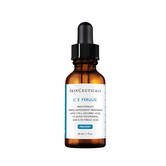


C E Ferulic For Visible Signs of Ageing
Vitamin C Antioxidant Serum For Normal & Dry Skin Types


Silymarin CF Serum For Blemish Prone Skin
Vitamin C Antioxidant Serum For Normal & Oily Skin Types
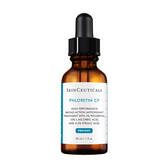


Phloretin CF Serum For Discolouration
Vitamin C Serum For Normal & Oily Skin Types


Serum 10: Vitamin C 30ml for Dull, Sensitised Skin
A fast-absorbing vitamin C combination antioxidant serum that help protect skin from free radicals and defend against environmental damage.


Retinol 0.3 Face Cream For Ageing Skin
Concentrated facial cream for Normal & Oily Skin


Hydrating B5 Serum For Blemish-Prone Skin
Vitamin B5 Serum With Hyaluronic Acid for Dry Skin

Triple Lipid Restore For Ageing Skin
Anti Ageing Lipid moisturiser cream for Dry Skin