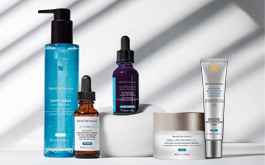
Glycolic Acid and Vitamin C
Glycolic Acid and Retinol
Glycolic Acid and Hyaluronic Acid
Glycolic Acid and Niacinamide
Glycolic Acid and Salicylic Acid
Glycolic Acid and Ferulic Acid
Glycolic Acid and Azelaic Acid
Q: Can you combine glycolic acid and vitamin c?
A:
Yes, glycolic acid promotes skin cell turnover and removes dead skin
cells, tackling congestion and creating a smooth and even texture in the
process. When you apply topical vitamin C, it can then reach the layers of
skin more easily, allowing it to reap better results.
Why not try SkinCeuticals
Cell Cycle Catalyst, with
glycolic acid, before
C E Ferulic, with vitamin C,
to boost your anti-ageing results.

Q: Can you combine glycolic acid and retinol?
A:
Yes, but they need to be used carefully together. Glycolic acid works in a similar way to retinol as it sloughs away dead skin cells on the surface of the skin. Retinol also removes dead skin cells. This helps to combat the visible signs of ageing impacted by collagen decline. But, as they work at different pH levels, dermatologists advise using them at different times of day. So, you can you use a glycolic acid serum or cleanser in the morning, and retinol in the evening as it makes the skin more photosensitive.
Q: Can you combine glycolic acid and hyaluronic acid?
A:
Yes, and they make a great combination. While glycolic acid promotes skin cell turnover and removes dead skin cells, hyaluronic acid helps to retain water in the skin and maintain the skin barrier.
Q: Can you combine glycolic acid and niacinamide?
A:
Yes, you can. Niacinamide and glycolic acid are both water-based ingredients so are often used in the same skincare formula as they work well together. If you’re applying them as two separate products, layer the one with the thinnest consistency first and follow with your usual moisturiser.
Q: Can you combine glycolic acid and salicylic acid?
A:
Yes, you can! However, both ingredients have an exfoliating effect on the skin. Therefore, when pairing these ingredients together, it is important to ensure you use appropriate amounts and concentrations. To easily manage this, look for a skincare product that incorporates both glycolic acid and salicylic acid into a single formulation. By choosing a product that has combined these two ingredients in its formulation, you can have peace of mind knowing that the combination of these acids has been carefully formulated for effective use on your skin. With this ingredient combination, it is important to slowly introduce them to your skin and monitor any sensitivity.
Discover SkinCeuticals Cell Cycle Catalyst serum formulated with glycolic acid and salicylic acid, and tested on all skin tones. While respecting the skin’s natural barrier, this formulation gently peels and enhances cell turnover at skin’s surface to smooth texture, improve appearance of discolouration.

Q: Can you combine glycolic acid and azelaic acid?
A:
Yes, you can. Azelaic acid is derived from grains and is tolerated by most skin types. It has a soothing effect so ideal for blemish-prone skin. As glycolic acid and azelaic acid have complementary actions on the skin, they can be safely used together.
Discover our perfect product which contains glycolic acid and start adding it to your routine

Shop Featured Products


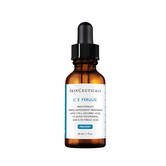


C E Ferulic For Visible Signs of Ageing
Vitamin C Antioxidant Serum For Normal & Dry Skin Types