Niacinamide
Retinol
Hyaluronic Acid
Salicylic Acid
Azelaic Acid
Ferulic Acid
Glycolic Acid
Can you combine vitamin C and niacinamide?
A: Yes! Niacinamide and vitamin C complement each other well. Niacinamide is a type of vitamin B3 that helps the skin to retain water, regulate sebum, and improve visible signs of ageing. Niacinamide is also very effective at strengthening the skin barrier. So, while vitamin C and niacinamide have amazing skin benefits alone, their joint benefits are very complementary to one another. Try Phloretin CF, featuring vitamin c, and Discolouration Defense, featuring niacinamide, to experience our serum duo targeting dark spots and discoloration.
Can you combine vitamin C and retinol?
A: Yes, you can use both vitamin C and retinol in your routine but not at the same time of day. The best time to use vitamin C in your routine is in the morning when the skin can reap the most of its antioxidant benefits. This is due to the skin cell renewal action it has on the skin. Its efficacy is also lessened by sunlight.
Can you combine vitamin C and hyaluronic acid?
A:Yes, absolutely. Hyaluronic acid is a very effective and gentle all-round humectant. Vitamin C has the brightening, antioxidant effect on the skin. They can both be layered together for great results. Try SkinCeuticals’ bestselling vitamin C serum, C E Ferulic, with our hyaluronic acid serums, Hydrating B5 Gel or HA Intensifier Multi-Glycan.

Can you combine vitamin C and salicylic acid?
A: Yes! While vitamin C is very good at brightening the skin and preventing free-radical damage, salicylic acid is an exfoliating beta-hydroxy acid which can also help additional concerns such as excess oil and congestion. Many skincare formulas combine these ingredients together or you can layer them together as separate products. Discover Silymarin CF, our vitamin c serum featuring salicylic acid for oily, blemish-prone skin, to help reinforce skin’s natural protection from free radical damage and prevent oil oxidation which can lead to blemishes. Also suitable for acne-prone skin.
Can you combine vitamin C and azelaic acid?
A: Yes, you can combine vitamin C and azelaic acid. Azelaic acid works in a similar way to salicylic acid, so it helps to gently exfoliate the skin and leave the complexion feeling smoother and more even. As such, it can also help to reduce the appearance of blemishes.
Can you combine vitamin C and ferulic acid?
A: Yes! Ferulic acid is a powerful antioxidant like vitamin C so it can help to defend the skin against environmental and UV damage while helping to create a more even skin tone. Ferulic acid can also help to enhance the efficacy and stability of vitamin C, so both ingredients work very well together when combined in the same formula. Vitamin C and ferulic acid are formulated together in all SkinCeuticals antioxidant serums to effectively penetrate the skin and provide visible results. Discover our antioxidants with this ingredient pairing here, including our bestselling C E Ferulic serum.
"SkinCeuticals C E Ferulic is a pioneer in vitamin C serums. It has just the right amount of the active form of vitamin C: L-ascorbic acid at 15%, with 1% vitamin E and 0.5% ferulic acid which again increases its efficacy. It has so many clinical studies behind it, and these are done on the product itself, not just the ingredients. It’s a synergistic and highly efficacious formulation. A science backed vitamin C serum is one of the best things you could add into your routine."
- Dr.Laura Lenihan

Can you combine vitamin C and glycolic acid?
A: Yes, and they can have brilliant results when used correctly. Glycolic acid is an alpha-hydroxy acid that promotes skin-cell turnover and removes dead skin cells. This makes it very effective at tackling congestion and creating a smooth and even texture. This, in turn, creates an ideal base for vitamin C.
Discover SkinCeuticals vitamin C serums, for environmental protection for your unique skin concerns: C E Ferulic, for visible signs of ageing, Phloretin CF, for discolouration, and Silymarin CF, for blemishes.

Shop Featured Products


Discoloration Defense For Skin Discoloration
Skin Discoloration + Dark Spot Serum For Dry & Oily Skin


Hydrating B5 Serum For Blemish-Prone Skin
Vitamin B5 Serum With Hyaluronic Acid for Dry Skin
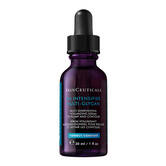


Hyaluronic Acid Intensifier Multi-Glycan
A hyaluronic acid volumising and plumping serum.


Silymarin CF Serum For Blemish Prone Skin
Vitamin C Antioxidant Serum For Normal & Oily Skin Types
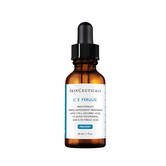


C E Ferulic For Visible Signs of Ageing
Vitamin C Antioxidant Serum For Normal & Dry Skin Types
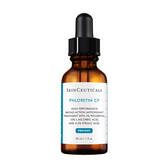


Phloretin CF Serum For Discolouration
Vitamin C Serum For Normal & Oily Skin Types
Silymarin CF Serum For Blemish Prone Skin
Vitamin C Antioxidant Serum For Normal & Oily Skin Types