- What happens to skin when it ages?
- What causes ageing?
- What is oxidative stress?
- What is glycation?
- Inflammation explained
- What is the impact of DNA in skin ageing?
- How to care for ageing skin
- Anti-ageing skincare routine
What happens to skin when it ages?
To understand how skin ages, it’s important to understand how skin is configured. The skin is made up of layers - the epidermis, dermis, and subcutaneous tissue - which all age in different ways.
The epidermis is the skin’s outermost layer and provides a protective barrier. This layer is rich in keratin and provides toughness and water-resistance. It is also where melanin (the dark pigment responsible for giving skin colour) is produced and where dead cells are shed.
The dermis, or thicker middle layer, contains collagen and elastin, which provide strength, firmness, and elasticity. It also contains blood vessels, immune cells, nerves and glands that produce sweat and oil.
Finally, the subcutaneous layer is composed of connective tissue and fat, which keep the body warm and holds the internal organs in place.
As the body gets older our skin doesn’t retain as much moisture and epidermal cells don’t slough off as quickly. The collagen and elastin in the dermis break down and as a result skin is less firm and elastic. Gravity is also constantly pulling the body down and as skin becomes less elastic - much like an old rubber band - it is less able to resist this force and starts to sag instead of bouncing back. Thus, fine lines form around the eyes, on the forehead and around the corners of the mouth. The jaw and neck slacken and become looser, to form jowls.
What causes ageing?
Skin ageing is caused by two main processes: intrinsic and extrinsic ageing. They both contribute to the visible signs you may see on your skin, such as fine lines, wrinkles, loss of firmness, and discolouration.
Intrinsic Ageing
Intrinsic ageing, also known as chronological or natural ageing, is largely driven by genetics, and is the natural process that takes place within the body regardless of outside influences. The visible signs appear most commonly as dry skin, wrinkles, loss of firmness, and increased pore size. At around age 20, collagen production starts to fall resulting in skin becoming thinner and more fragile as the years pass. Additionally, the skin’s exfoliation process decreases, causing dead skin cells to accumulate and stick together for longer periods of time.
In the 30s and 40s, skin suffers from the effects of advanced glycation end product (AGE's). This happens when collagen and elastin fibres gradually break, thicken, stiffen, clump together, and lose their elasticity making the skin appear duller and less plump.
Finally, in the 50s, skin becomes dry because the sebaceous (oil) glands produce less oil. In women, menopause causes a decrease in oestrogen levels, leaving the skin drier, thinner, and less toned. The rate of intrinsic skin ageing can, however, still be dramatically influenced by personal and environmental factors such as diet and UV light exposure3. Other factors that affect the rate of intrinsic ageing include oxidative stress, glycation, inflammation and genetic mutations4.
Extrinsic Ageing
The second cause of the visible signs of ageing is known as extrinsic ageing and occurs as a result of environmental factors such as sun exposure, pollution and smoking. While there are many external factors that contribute to skin ageing, research has shown UV and pollution to be primary causes. Both atmospheric factors create free radicals that ‘eat away’ at skin’s collagen and elastin, and reduce healthy cell turnover, resulting in skin roughness, wrinkling, and sagging. Persistent or constant exposure to the sun’s rays also affects skin’s natural production of melanin causing discolouration, most commonly found on the face, neck, chest, arms, and hands. Unlike intrinsic ageing, it can be controlled to an extent as it is a result of external factors.
What is oxidative stress?
Oxidative stress is an imbalance between the production of free radicals and the ability of the body to detoxify their harmful effects through the production of neutralising antioxidants. Oxidative stress in skin plays a major role in the ageing process5. This is true for intrinsic ageing and even more so for extrinsic ageing.
When oxidative stress occurs, free radicals can cause premature signs of ageing, uneven skin tone and texture, and can even break down the essential proteins that support the skin, causing sagging and laxity. Antioxidants in topical products are effective at limiting oxidative damage and slowing skin degradation5.
Through extensive research and development, SkinCeuticals has worked to incorporate antioxidants across our range of products to help combat the effects of oxidative stress5,6.
What is glycation?
Whilst the glucose we get from consuming sugars in our diet are a vital source of fuel for the body, as we age and our metabolism slows, excess glucose begins to have a negative effect on the skin7. Excess glucose begins to stick to the collagen and elastin that makes up the skin, in a chemical process called glycation. The result of this process is the formation of advanced glycation end-products (AGEs) in the skin.
These AGEs are fibres in the cellular make-up of the skin. They are rigid and lack the elasticity of regular skin fibres, leading to laxity, thinning and cracking. As skin ages, the fibres responsible for the appearance and texture of the skin also begin to glycate.
SkinCeuticals’ A.G.E. Interrupter Advanced and A.G.E. Advanced Eye are enriched with blueberry extract along with Proxylane™ and are specifically formulated to target the visible signs of ageing skin caused by A.G.E.s such as the appearance of fine lines, wrinkles, and loss of firmness.
Inflammation explained
Inflammation is the skin’s first line of defence against foreign invaders such as bacteria and viruses. Inflammation also initiates the tissue’s healing processes and limits the damage to skin cells caused by everyday chemicals and pollutants. However, excessive inflammation is linked to many skin diseases and conditions and is a catalyst for the visible skin ageing process8. Oxidative stress, glycation, and the formation of A.G.E.s can cause chronic or excessive inflammation.
When this type of inflammation occurs, it damages the body and thus, the skin. The inflammatory reaction to the production of free radicals can lead to chronic inflammation where the immune system mistakenly attacks normal skin tissue and results in a deterioration of the collagen fibres that keep the skin firm and smooth.
What is the impact of DNA in skin ageing?
Skin cells and proteins are created through a process of DNA sequencing. The expression and role of these skin cells can be influenced by a genetic predisposition or mutation occurring in the sequencing process. This is true for the skin and reflects the age-related degradation of the body as a whole.
How to care for ageing skin
A good anti-ageing skincare routine can make a huge difference to how the skin ages. Protection from the sun and pollution are key first steps to battle extrinsic ageing. Regular cleansing both in the morning and evening will help to shift the effects of pollution and encourage the skin to shed dead skin cells.
Using a topical vitamin C antioxidant serum and a sunscreen every morning helps prevent and protect skin from direct UV damage as well as damaging free radicals that cause premature skin ageing. Anti-ageing skincare products can also be incorporated into your routine to help improve the appearance of existing signs of ageing, such as fine lines, wrinkles, skin discolouration, dehydration, loss of elasticity, and more.
For optimal effectiveness, a SkinCeuticals skincare professional can create a customised anti-ageing regimen based on your skin’s needs and your goals.
Anti-ageing skincare routine
Vitamin C is one of the most effective and extensively studied antioxidants available in skincare today, it is favoured by skincare professionals for its preventative and anti-ageing benefits on skin. However, there are many different forms of vitamin C. For optimal free-radical protection, look for pure ascorbic acid (l-ascorbic acid) on the ingredient label. In addition to neutralising free radicals and preventing premature ageing, l-ascorbic acid has anti-ageing benefits that include improving the appearance of wrinkles and loss of firmness.
Additional antioxidants that also provide prevention against premature ageing and anti-ageing benefits are ferulic acid, vitamin E (in its alpha-tocopherol form), phloretin, and resveratrol.
Dr Stefanie Williams, a leading dermatologist and Medical Director of Eudelo Dermatology & Skin Wellbeing in London, has a holistic philosophy when looking at all the factors affecting ageing. At SkinCeuticals, we also have some useful tips for achieving youthful skin, a better tone and glow, and younger-looking skin while you sleep.
At SkinCeuticals, we firmly believe that an effective skincare regimen is based around five fundamental principles: cleansing, prevention, correction, hydration and protection.
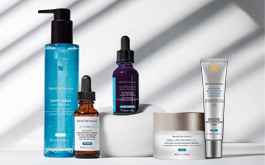
1. Cleanse/Tone - Gentle Cleanser and Equalizing Toner
This comprehensive cleansing ritual, lifts impurities and prepares skin for optimal product efficacy.
2. Prevent - C E Ferulic
This serum, containing concentrated vitamin C, strengthens the skin against environmental aggressors, which can sap moisture from the skin. It helps to reduce the appearance of visible signs of photodamage such as fine lines and wrinkles.
3. Correct - HA Intensifier Multi-Glycan
HA Intensifier Multi-Glycan is a next-generation corrective serum proven to amplify the skin’s own hyaluronic acid levels, leaving the skin looking plumper and more contoured.
This advanced formula contains a high concentration of 1.3% pure hyaluronic acid, 12% Proxylane™, and post-biotic ferment to increase glycosaminoglycans, preserving its levels in skin’s uppermost layers. Skin is instantly hydrated for up to 48 hours*.
*Instrumental test on 25 subjects **To discover which SkinCeuticals cosmetic skincare product is suitable for use with your aesthetic treatment, consult your practitioner. If you are considering an aesthetic treatment, always consult a Medical Professional. Only apply on healed skin.4. Hydrate - Triple Lipid Restore 2:4:2
Formulated with an optimal concentration of lipids: 2% pure ceramides, 4% natural cholesterol and 2% fatty acids, this moisturising cream has been scientifically proven to improve the visible appearance of skin smoothness, laxity, pores and overall radiance.
5. Protect - Advance Brightening UV Defense SPF50
An ultra-lightweight, residue-free formula, Advanced Brightening UV Defense Sunscreen SPF 50 combines broad spectrum UV protection with a potent blend of discolouration-correcting ingredients for brighter, more even skin. 1% tranexamic acid and 2% niacinamide help reduce the appearance of existing discolouration while broad spectrum UV filters help protect against future sun damage.
Want to find out more about the different types of ageing and our recommended anti-ageing skincare routine?
Discover expert anti-ageing advice here:
- Tips For Achieving Youthful Looking Skin
- A Dermatologist's Tips On 'Skincare Through The Ages'
- Top 5 Anti-Ageing Cosmetic Treatments
This article is intended as general information only. You should seek advice from a professional before altering your diet, changing your exercise regimen or starting any new course of conduct.

Featured Product


A.G.E. Interrupter Advanced For Ageing
Anti-wrinkle cream for Dry Skin


A.G.E. Advanced Eye For Dark Circles
Eye cream suitable for Dry & Normal Skin


Gentle Cleanser
Hydrates and comforts dry and tight skin while smoothing rough surface texture.
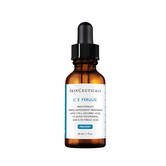


C E Ferulic For Visible Signs of Ageing
Vitamin C Antioxidant Serum For Normal & Dry Skin Types
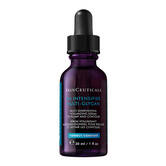


Hyaluronic Acid Intensifier Multi-Glycan
A hyaluronic acid volumising and plumping serum.

Triple Lipid Restore For Ageing Skin
Anti Ageing Lipid moisturiser cream for Dry Skin

Advanced Brightening UV Defense SPF 50
Dual-action, lightweight sunscreen with SPF 50 that helps protect the skin from UV-induced discolouration and helps evens skin tone.