Vitamin C's Benefits in Reducing the Look of Wrinkles
Who Shouldn't Use Vitamin C Products?
Comparing Vitamin C With Hyaluronic Acid And Retinol For Wrinkle Reduction
Integrating Vitamin C Into Your Skincare Routine
A Proven Skincare Hero
FAQs
Vitamin C's Benefits in Reducing the Look of Wrinkles
There are several ways that vitamin C improves the texture and radiance of the skin. Here we explain exactly how.
- Improves signs of ageing from collagen decline: Vitamin C helps to improve signs of ageing caused by collagen decline. So, with daily use, the skin’s overall tone and smoothness appears improved.
- Protects against environmental damage: One of the major benefits of vitamin C is its ability to neutralise free radicals and protect the skin from potential environmental damage. Free radicals are created by aggressors in our environment induced by UVA/UVB, infrared radiation (IRA), and ozone pollution (O3), and, when they attach to the skin, can create accelerated skin ageing. But by applying vitamin C topically to the skin, your body’s natural protection from free radical damage is reinforced. This helps to slow the appearance of ageing signs and preserves the skin’s youthful radiance.
- Hydrates: As Vitamin C has hydrating properties, it helps to plump the skin and preserve a youthful looking complexion.
- Repairs and regenerates: This is due to its ability to protect the skin from environmental ageing. Vitamin C can also help to brighten the skin and fade the appearance of skin damage such as dark spots and hyperpigmentation.
Who Shouldn't Use Vitamin C Products?
While vitamin C is an incredibly beneficial skincare ingredient, it’s advisable to seek advice from a professional before adding it to your routine. If you have very sensitive or reactive skin, for instance, you may find an active ingredient like L-ascorbic acid too harsh. Likewise, if you’re using stronger ingredients like retinol or alpha-hydroxy acids, it’s advisable not to use vitamin C on the same day, and preferably at a different time of day. Retinol, for instance, should be used in the evening as it makes the skin more photosensitive, while vitamin C should be used in the morning as it reinforces the skin’s defense against environmental aggressors.
It’s also important to check the overall formulation of the vitamin C product you choose to ensure it’s suitable for your skin type. Drier skin types, for instance, will be better suited to vitamin C formulated with hydrating ingredients like vitamin E, while more oily skin types should look for vitamin C formulated with exfoliants like salicylic acid.
Comparing Vitamin C with Hyaluronic Acid and Retinol for Wrinkle Reduction
While vitamin C, hyaluronic acid and retinol are considered three of the most effective anti-ageing skincare ingredients, they all work in slightly different ways. First and foremost, vitamin C stands out for its environmental protection, reduction in the appearance of premature signs of skin ageing, and complexion brightening, compared to hyaluronic acid's incredible hydration benefits that plump the surface of the skin. Meanwhile, retinol's cell turnover acceleration helps to improve signs of ageing caused by collagen decline, and brighten and smooth overall skin tone. The most noticeable results are often seen when these ingredients are combined together in a comprehensive skincare routine. Using vitamin C with hyaluronic acid, for instance, can synergistically enhance skin hydration and firmness. Similarly, pairing vitamin C with retinol offers a well-rounded approach to reducing the appearance of wrinkles, but they should be applied separately to prevent irritation.
A broad-spectrum sunscreen should also be part of every anti-ageing skincare routine, especially when using retinol in the evening as it makes the skin more sensitive to UV radiation.

Integrating Vitamin C into Your Skincare Routine
How to integrate vitamin C into your daily routine? Follow our suggested morning and evening routine to reap this powerful antioxidant’s maximum benefits.
AM Routine:
- Normal/Dry
If you have a normal to dry skin type, we recommend starting your routine with a serum such as C E Ferulic for ageing signs. Featuring a synergistic antioxidant combination of 15% pure vitamin C (L-ascorbic acid), 1% vitamin E (alpha tocopherol), and 0.5% ferulic acid, it provides the skin with eight times the amount of environmental protection* while replenishing skin lipids.
*Lin FH, Lin JY, Gupta RD, et al. Ferulic acid stabilizes a solution of vitamins C and E and doubles its photoprotection of skin. J Invest Dermatol. 2005;125(4):826-832. Note: Sunlight interacts with oxygen or molecules in skin to form free radicals. C E Ferulic does not contain sunscreen.- Normal/Oily
If your skin is on the oiler side or you have concerns such as discolouration, consider using a vitamin C serum such as Phloretin CF. Featuring a synergistic combination of 2% phloretin, 10% pure vitamin C (l-ascorbic acid), and 0.5% ferulic acid, this powerful serum provides enhanced protections against environmental skin ageing while improving discoloration and an uneven skin tone.
- Blemish-Prone
Blemish-prone skin requires a vitamin C serum such as Silymarin CF. Its formula is enriched with 15% pure vitamin C (L-ascorbic acid), 0.5% Ferulic Acid, 0.5% Salicylic Acid and 0.5% Silymarin to refine skin texture and improve skin clarity while providing environmental protection and preventing blemish-causing oil oxidation.
Vitamin C serum should always be applied to freshly cleansed skin, followed by your usual moisturiser and sunscreen in the daytime.
- Sensitive
Serum 10, as with our other vitamin C formulations, helps to reinforce the skin’s natural protection against free radicals, whilst helping to reduce the appearance of premature signs of skin ageing. This promotes a radiant, healthier-looking complexion. This serum is ideal for sensitive skin types or new users of vitamin C serums.
PM Routine:
If you want to incorporate vitamin c at nighttime, after your double cleanse use Resveratrol B E – a concentrated antioxidant night serum with pure, stable resveratrol and vitamin e. It helps to neutralise free radicals, strengthens skin’s natural antioxidant defences, and reveals visible radiance and firmness.

Is Vitamin C suitable for all skin types?
Vitamin C is suitable for all skin types but it’s important to use it in a potency and formulation suited to your skin type. If you’re unsure, start with a low potency to begin with and see how your skin tolerates it. You should also patch test before applying liberally to your face, especially if you have a sensitive skin type.
A Proven Skincare Hero
If you’re looking to see a real difference in your skin radiance and texture, a vitamin C serum is one of the best products to add to your skincare routine. As we’ve explained, there is strong clinical evidence to show that vitamin C has a number of powerful skin benefits including reducing the appearance of wrinkles, boosting radiance, and preventing premature skin ageing, making it an essential in every anti-ageing routine.
For enhanced results, you can also pair it with other proven anti-ageing ingredients suchs as hyaluronic acid serum in the daytime and a retinol treatment in the evening. Speak to a skincare expert if you’re unsure of how to combine these products in your own skincare routine.
FAQs

Featured Product
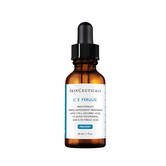


C E Ferulic For Visible Signs of Ageing
Vitamin C Antioxidant Serum For Normal & Dry Skin Types


Resveratrol B E Night Serum For Ageing Skin
Nightime Antioxidant Serum For Dry & Normal Skin Types


Silymarin CF Serum For Blemish Prone Skin
Vitamin C Antioxidant Serum For Normal & Oily Skin Types


Serum 10: Vitamin C 30ml for Dull, Sensitised Skin
A fast-absorbing vitamin C combination antioxidant serum that help protect skin from free radicals and defend against environmental damage.
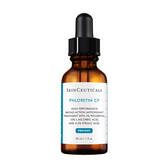


Phloretin CF Serum For Discolouration
Vitamin C Serum For Normal & Oily Skin Types