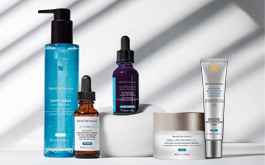
Retinol strengths and retinol percentage
Retinol skincare products come in a variety of strengths, with a higher retinol percentage making it look like it’s got more retinol in it, but it's the pure retinol content that matters. The SkinCeuticals retinol night cream features 0.3% pure retinol, and targets fine lines, wrinkles and discoloration through its controlled delivery system to ensure a steady, even release. The 0.3% pure retinol in the SkinCeuticals formulation is in-line with EU regulations which, since June 2024, has limited the retinol concentration in face products to 0.3% and in body products to 0.05%1. The change intends to reduce the risks of overuse to help prevent skin irritation.

How to use retinol on the face
Retinol should be applied sparingly and only in the evening. This helps limit the skin feeling sensitive after application and photosensitivity (skin being sensitive to the sun). Only use retinol once or twice a week to begin with, as this allows your skin time to get used to it. Dot a pea-sized amount of your preferred retinol product onto your finger and gently massage it into clean, dry skin. Take care not to apply too much product while also avoiding the delicate eye area as both can cause irritation. Do not apply retinol alongside Vitamin-C products which are typically applied in the morning. Do ensure you apply a broad spectrum sunscreen daily whilst using retinol.
UK Pharmacist Virginia Chachati says, “A little goes a long way when it comes to retinol, so use just enough to cover the surface of the skin to avoid irritation or redness. I recommend you use a daily sunscreen with SPF50 every morning to protect your skin, even on cloudy days. And make sure you reapply your sunscreen frequently and generously – this includes on top of makeup. Use a lower retinol dose or take a few days off if your skin starts to feel sensitive. Try applying a moisturiser rich in ceramides after you use retinol to prevent sensitivity.”
Want to try retinol on your neck? Tripeptide R-Neck Repair contains a neck specific dose of retinol (0.2%). This is a slightly reduced retinol dose to allow for the more delicate skin on the neck. Once your skin is used to retinol being applied, you can think about applying your current percentage of retinol, such as 0.3%, more often. It can take a few weeks to build up to using it every other day, then daily.
Why retinol should always be used alongside sunscreen
If you applied retinol last night, in the morning you should always apply a high-SPF, broad-spectrum sunscreen, as retinol will make your skin more sensitive to UV radiation from the sun which can damage the skin, these includes UVB and UVA rays. SkinCeuticals has a range of lightweight and effective sunscreens that protect the skin from UV radiation and free-radical damage while leaving it feeling soft and hydrated all day. Apply a broad-spectrum sunscreen such as Advanced Brightening UV Defense SPF 50 every morning.
1https://eur-lex.europa.eu/legal-content/EN/TXT/PDF/?uri=OJ:L_202400996

Please note, do not use Tripeptide-R-Neck repair in association with other products containing retinol or retinoids.
Featured Products


Retinol 0.3 Face Cream For Ageing Skin
Concentrated facial cream for Normal & Oily Skin


Tripeptide-R Neck Repair
High-performance retinol cream targeting visible neck ageing, clinically proven to improve the appearance of fine lines and wrinkles

Advanced Brightening UV Defense SPF 50
Dual-action, lightweight sunscreen with SPF 50 that helps protect the skin from UV-induced discolouration and helps evens skin tone.

About Virginia Chachati MPharm
Virginia Chachati is a registered pharmacist with the UK General Pharmaceutical Council (GPhC) since 2014 and is PIF TICK certified. Chachati is a medical copywriter, creating evidence-based, accessible health information. Chachati has worked with the NHS, UKHSA, WHO, YouTube Health, and the Patient Information Forum (PIF).